Introduction
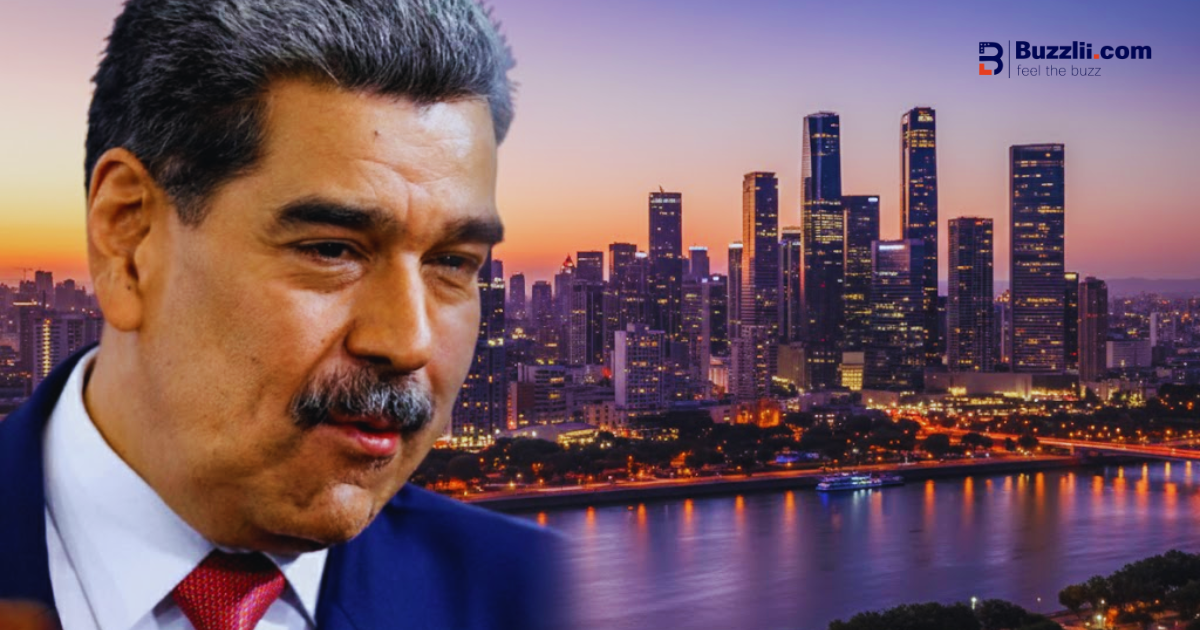
In recent years, few foreign topics have sparked as much bewilderment, conjecture, and intense debate as the destiny of Venezuela’s long-time leader, Nicolás Maduro. Headlines, social media posts, and online discussions have claimed everything from covert military operations to dramatic arrests authorized by the US. Many of these storylines center on former US President Donald Trump, whose administration was exceptionally harsh with the Venezuelan regime.
For general readers who are trying to distinguish between fact and embellishment, the situation can seem overwhelming. What actions did the US actually take? What legal cases have been filed against Maduro? Where do the assertions of “palace to prison” come from?
This article looks at the proven facts, legal background, and political context surrounding the story. It discusses what is known, what is debated, and why the topic is still relevant in world politics today.
Background- Venezuela’s Long Political Crisis
While everyone is focused on oil:
— The Kobeissi Letter (@KobeissiLetter) January 4, 2026
Venezuela currently holds 161 metric TONS of gold reserves.
161 metric tons is roughly 5.18 million troy ounces, worth ~$22 BILLION at $4,300/oz.
This makes Venezuela the Latin American country with the largest gold holdings.
Every $100 that… pic.twitter.com/pI8DWgt1CB
A Nation Under Pressure
Venezuela has been under political and economic instability for almost a decade. Hyperinflation, shortages of essential supplies, and widespread migration have all altered the country’s socioeconomic structure. Following contested elections and charges of dictatorial governance, various states have called Nicolás Maduro Moros’ legitimacy as president into question.
The United States, along with several allies, slapped sanctions on Venezuelan leaders, state-run oil companies, and banking networks. These efforts were aimed to put pressure on the regime while avoiding a direct military clash.
U.S.–Venezuela Relations Under Trump
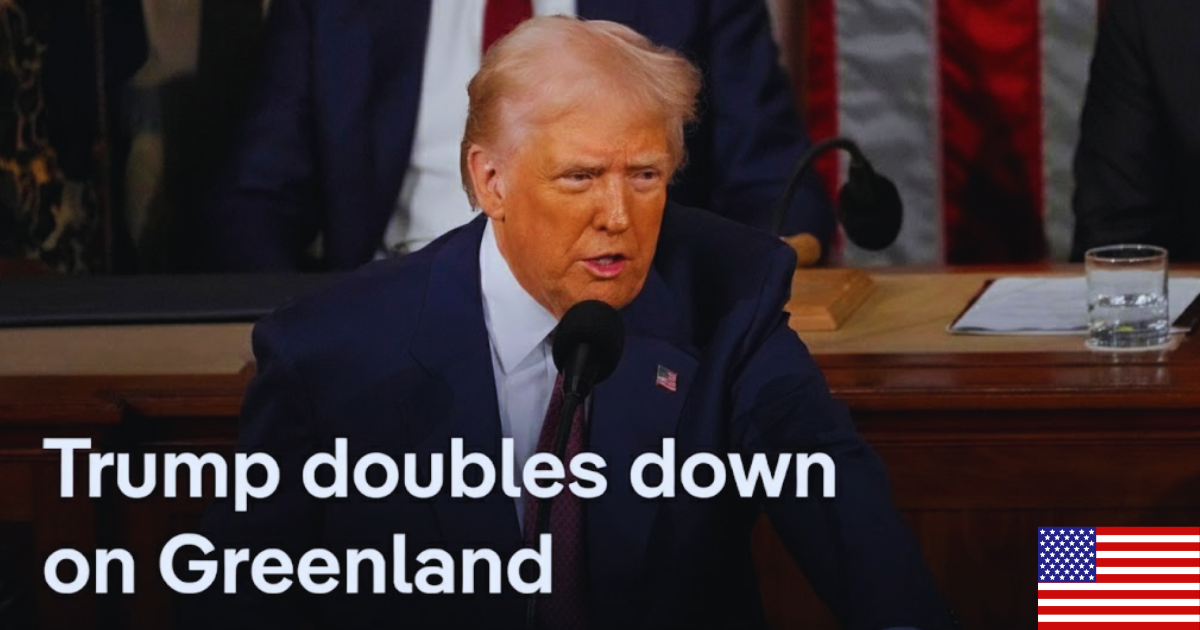
During Donald Trump’s administration, Washington implemented a campaign of “maximum pressure” on Caracas. In 2019, the administration openly acknowledged opposition leader Juan Guaidó as interim president, and Maduro’s regime faced greater diplomatic and economic isolation.
This hostile posture laid the groundwork for subsequent accusations and misconceptions regarding US intentions and conduct.
The Legal Case Against Nicolás Maduro Moros
Federal Indictments Explained
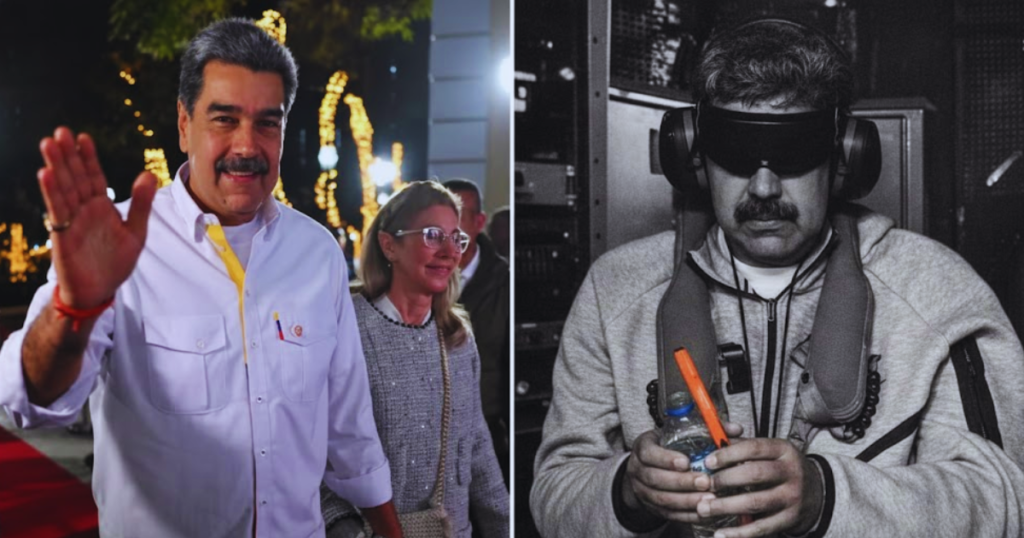
In 2020, the United States Department of Justice unsealed indictments charging Nicolás Maduro Moros and numerous senior Venezuelan officials with drugs trafficking and other offenses. Prosecutors claimed that these officials were involved in a conspiracy to sell cocaine into the United States.
It’s crucial to understand that indictments are legal accusations, not convictions. The Venezuelan administration dismissed the claims, claiming they were politically motivated and legally unjustified.
Rewards and International Enforcement
The United States has announced financial rewards for information leading to the arrest or conviction of specific charged persons, including Maduro. This effort increased global attention, but it did not establish an arrest warrant enforceable within Venezuela without cooperation from local authorities or international extradition.
Claims of Capture- Where the Narrative Comes From
Media Reports and Misinterpretations
Over time, several media headlines and online discussions muddled the distinction between indictment and arrest. Statements about “bringing Maduro to justice” were occasionally regarded as evidence of a covert operation or a successful capture.
No reliable evidence from US courts, international organizations, or Venezuelan government establishes that US soldiers physically apprehended or imprisoned Nicolás Maduro Moros.
The Role of Political Rhetoric
Political discourse frequently emphasizes strength and resolve. When references to accountability, enforcement, or regime change are taken out of context, they might be readily misinterpreted. In the instance of Venezuela, rhetorical intensity resulted in dramatic but inaccurate interpretations.
International Law and Sovereignty Concerns
First pictures have been released of Former Venezuelan President Nicolás Maduro on arrival earlier tonight at New York Stewart International Airport. pic.twitter.com/is8rjwAGgp
— OSINTdefender (@sentdefender) January 4, 2026
Limits on Cross-Border Arrests
According to international law, forcefully kidnapping a sitting head of state on foreign soil without agreement would raise major legal and diplomatic concerns. Such measures may contradict national sovereignty and international treaties.
Legal experts constantly state that any arrest of a foreign leader would necessitate extradition, local legal proceedings, or extensive international collaboration.
Global Reactions and Caution
Even states that are opposed of Maduro have largely resisted supporting direct military or covert action against him. Diplomatic pressure, sanctions, and legal channels continue to be preferred above force.
Why the Story Still Resonates
Public Trust and Information Overload
The Maduro case demonstrates how rapidly serious legal concerns can become sensationalized online. For readers, it emphasizes the significance of evaluating sources and distinguishing between allegations, intents, and confirmed actions.
Broader implications for global politics.
The issue also represents a broader trend in international relations, in which legal tools, economic sanctions, and public messaging are being used in addition to traditional diplomatic methods. How powerful countries pursue responsibility overseas is still a matter of global discussion.
Key Insights and Takeaways
- Although Nicolás Maduro Moros has been indicted in a federal court in the United States, an indictment does not imply arrest or conviction.
- Claims that Donald Trump ordered and carried out the physical capture of Venezuela’s president are unsubstantiated by confirmed proof.
- US policy prioritized sanctions, legal pressure, and diplomatic isolation over confirmed military action.
- International law lays stringent restrictions on arresting foreign leaders without cooperation or extradition.
- When following international news, there must be a clear line between truth, allegation, and speculation.
Conclusion
In My Views, The term “from palace to prison” has captured the public’s imagination, although the Maduro case is far more nuanced and less dramatic than some headlines suggest. The plot is mostly around legal claims, diplomatic pressure, and political confrontation, rather than a confirmed capture.
Understanding the difference between rhetoric and truth enables readers to make sense of one of the most contentious geopolitical topics of recent years. As with many international stories, meticulous attention to confirmed facts is still the most credible guidance.