
Introduction
Brigitte Bardot, one of the most well-known figures in world film, has died at the age of 91. Her death marks the end of an era in postwar European film that had far-reaching consequences for popular culture. Known for redefining female success in the 1950s and 1960s, Bardot became a symbol of artistic independence, modern femininity, and global popularity.
The news of her passing traveled fast across major media channels and social platforms, prompting people to review her films, images, and public appearances. For many readers today, her tale explains how cinema grew during a transitional moment and how one performer’s image might have a lasting impact on society, fashion, and public discourse.
This article examines Bardot’s life and career in an impartial, factual manner. It delves into her rise to prominence, her most significant films, her decision to leave acting early, and the legacy she leaves behind in both cinema and public life.
Brigitte Bardot Rest in Power 🕊️ pic.twitter.com/pcJGOA6vQW
— Kay (@legendaarykay) December 28, 2025
Early Life and Rise to Stardom
Brigitte Bardot was born in Paris in 1934 and spent her early years studying classical dance. Her early exposure to the arts helped her gain confidence in front of the camera, and she started modeling as a teenager. These early performances aided her budding career in film.
Her breakthrough occurred in the mid-1950s, when French film was acquiring international recognition for its willingness to question traditional storytelling and societal standards. Bardot’s screen presence drew attention immediately. She embodied a new breed of leading woman: natural, expressive, and ready to defy convention.
And God Created Woman (1956) marked a watershed moment. Its popularity brought Bardot to audiences in the United States and other English-speaking countries, propelling her to global fame virtually immediately.
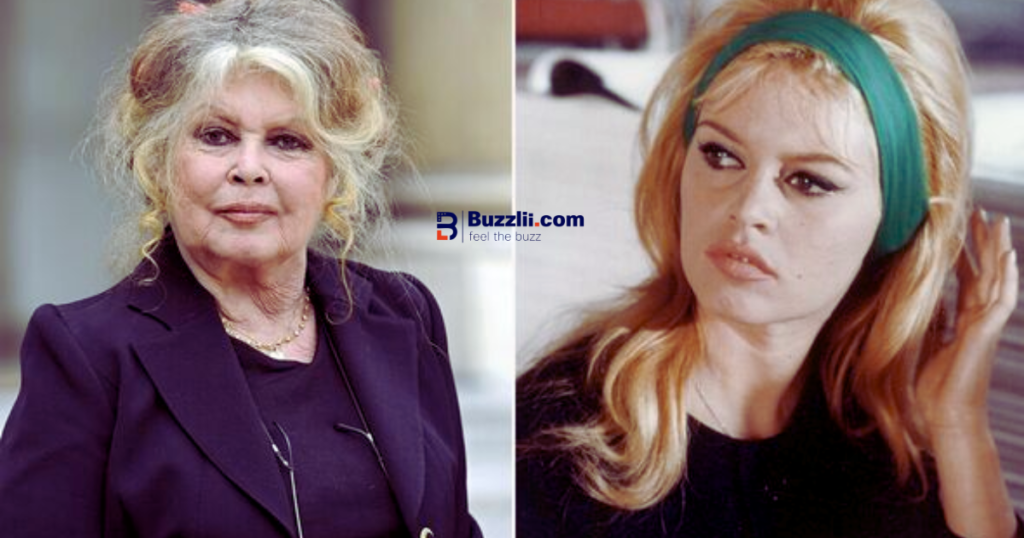
Redefining Female Stardom in Film
Brigitte Bardot featured in dozens of films between the late 1950s and early 1960s, collaborating with renowned directors and co-stars. Her performances were frequently analyzed not only for their musical excellence but also for their cultural significance.
At a time when many actresses were required to maintain strict movie identities, Bardot exuded reality and emotional openness. Her roles frequently featured autonomous women negotiating desire, independence, and inner turmoil. This strategy appealed to audiences during a time of tremendous societal change.
International critics have remarked on how Bardot blurred the distinction between cinema star and cultural symbol. Her impact expanded beyond movies to fashion, music, and photography, making her one of the most well-known figures of the twentieth century.
Global Fame and Media Attention
As Bardot’s popularity grew, so did the public’s interest in her personal life. She became a frequent subject for periodicals, interviews, and photo essays. This tremendous attention helped solidify her role as a global icon, but it also presented obstacles.
Unlike many celebrities who sought privacy later in life, Bardot publicly stated her dissatisfaction with stardom. She gradually opened up about the difficulties of continual monitoring and the emotional toll it had taken. These experiences influenced her decision to leave acting when still at the pinnacle of her success.
Her early retirement from film was unique, adding to her mystique. By quitting the profession on her own terms, Bardot enhanced her reputation as someone who defied expectations.
Life After Film and Public Activism
In the early 1970s, Bardot announced her retirement from acting. She turned her concentration to activism, specifically animal protection. This new step in her life proved as significant as her cinematic career.
She formed groups and sponsored efforts to improve animal welfare and raise awareness about abuse. Her advocacy activity has been steady and noticeable for decades, particularly in Europe.
At the same time, some of her public utterances in later years sparked outrage and legal action in France. These incidents tainted her public image, sparking disagreement over how to measure her legacy. Following her death, coverage focused on both her cultural significance and the controversies surrounding her later life.
Cultural Impact and Lasting Influence
In the early 1970s, Bardot announced her retirement from acting. She turned her concentration to activism, specifically animal protection. This new step in her life proved as significant as her cinematic career.
She formed groups and sponsored efforts to improve animal welfare and raise awareness about abuse. Her advocacy activity has been steady and noticeable for decades, particularly in Europe.
At the same time, some of her public utterances in later years sparked outrage and legal action in France. These incidents tainted her public image, sparking disagreement over how to measure her legacy. Following her death, coverage focused on both her cultural significance and the controversies surrounding her later life.
Key Insights and Takeaways
- Brigitte Bardot’s biography and career contain several significant elements for contemporary readers:
- She helped to redefine female celebrity during a time of significant social and cultural change.
- Her international success proved the scope of European cinema.
- Her decision to quit early defied conventional career expectations in the film industry.
- Her latter activity demonstrated how public personalities can refocus and reframe their public positions.
- Together, these aspects explain why her legacy is still being debated years after her final film appearance.
Conclusion
In My Views, Brigitte Bardot, one of the most prominent figures in cinema, has died. Her career captured a watershed era in film history, when viewers were ready for new voices and modes of expression. While her public life was marked by both acclaim and scandal, her artistic legacy is generally acknowledged.
For today’s readers, her narrative exemplifies how cinema, culture, and public identity may connect in meaningful ways. Brigitte Bardot creates a cinematic legacy that will be studied, remembered, and debated for generations.
RIP Brigitte Bardot (1934–2025)
— Anneka Svenska (@AnnekaSvenska) December 28, 2025
She left fame to fight for animals.
Founded the Brigitte Bardot Foundation.
Rescued tens of thousands.
Fought fur, puppy farms & cruelty.
Helped change animal-welfare laws in France. Animals were safer because she existed. #BrigitteBardot… pic.twitter.com/Mu0oKrQfBt
Frequently Asked Questions
To Read More : Gold and Silver Surge While Bitcoin Struggles to Regain Momentum
To Read More : Donald Trump: From Business Empire to the White House