Introduction
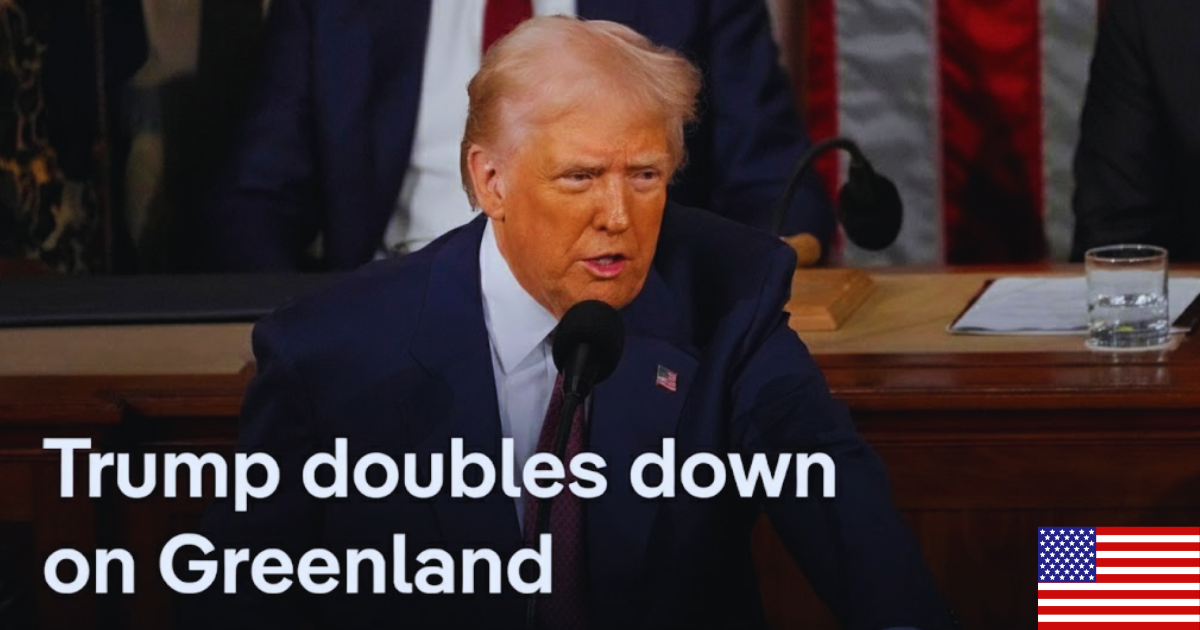
Donald Trump’s long-standing interest in Greenland has gained international notice again due to recent headlines and internet debates. According to reports that are making the rounds on social media and major news agencies, Trump has set what is being referred to as a “Greenland deadline,” raising concerns about U.S. objectives, diplomatic limits, and the larger geopolitical context.
Greenland is becoming more strategically significant as a result of climate change, Arctic security, and international competition for natural resources. Governments, analysts, and the general public all naturally take notice of any increased focus from a prominent political figure.
Based solely on publicly reported facts and public information, this article explains what the claimed Greenland deadline refers to, why Greenland is geopolitically crucial, how Denmark and Greenland enter into the issue, and what the situation could imply practically.
Donald Trump Issues Greenland Deadline. The clock is also ticking on the southern Red Sea port of Assab. The international system is undergoing seismic shifts #Ethiopia 🇪🇹💪 pic.twitter.com/CzBaJs05TP
— Pulp Faction (@DanielsonKassa1) January 5, 2026
Background- Donald Trump and Greenland
When he openly acknowledged in 2019 that the US had considered purchasing Greenland, Donald Trump’s interest in the region first gained widespread attention. Both Danish and Greenlandic officials at the time firmly rejected the plan, emphasizing that Greenland is not for sale.
Since then, the subject has occasionally come up again in online discussions and political discourse. With its own parliament and authority over the majority of internal matters, Greenland continues to be an independent region within the Kingdom of Denmark, although Denmark is in charge of defense and foreign policy.
What Is the Reported “Greenland Deadline”?
The term “Greenland deadline” did not originate from a formal government document, but rather from recent debate and media interpretations. Discussions that are accessible to the public claim that the phrase relates to Trump indicating a specific deadline or a renewed sense of urgency regarding U.S. strategic interests in Greenland, especially with regard to international competition and Arctic security.
Crucially, the participating states have not confirmed any formal ultimatum, legal demand, or treaty proposal. Rather from being a legally enforceable diplomatic action, the majority of allusions to a “deadline” seem to reflect political messaging or campaign-style rhetoric.
Why Greenland Matters Strategically
Arctic Geography and Security
Situated between North America and Europe, Greenland holds a crucial location in the Arctic area. Global interest in the region is growing as Arctic shipping routes and access points become more feasible due to the melting of polar ice.
Through Thule Air Base, which is involved in space monitoring and missile warning, the United States already has a military presence in Greenland. Without suggesting a shift in sovereignty, this current presence emphasizes Greenland’s strategic importance.
Natural Resources and Climate Change
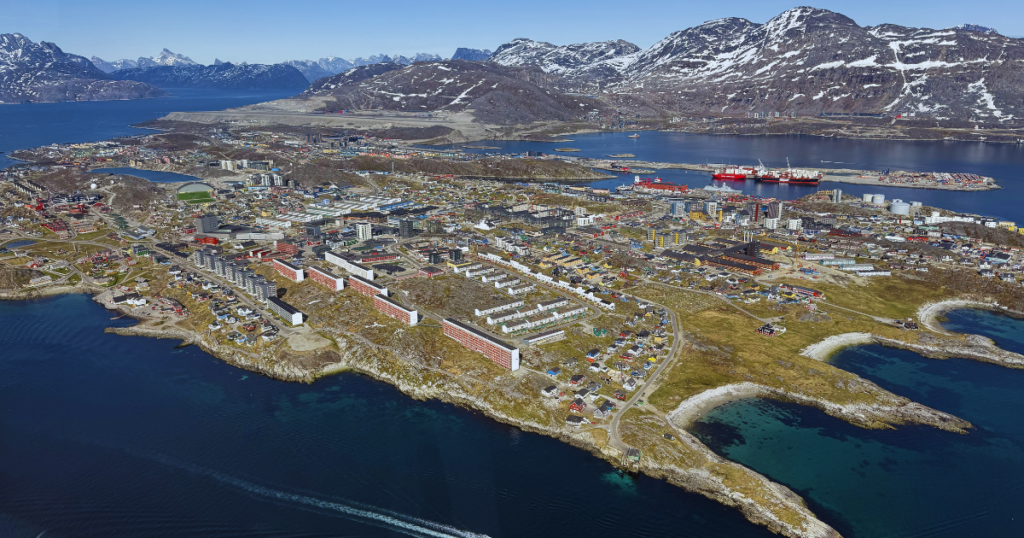
Rare earth elements and other mineral resources are thought to be abundant in Greenland. Defense systems and contemporary technologies depend on these materials. Access to these resources becomes easier as ice cover shifts, increasing geopolitical and economic risks.
As a result, major nations including the US, China, and Russia are using Greenland as a focal point for long-term planning due to climate change.
Denmark and Greenland’s Response
🇺🇸🇬🇱 TRUMP WANTS GREENLAND AGAIN. AND GREENLAND ISN’T LAUGHING.
— Mario Nawfal (@MarioNawfal) December 23, 2025
Trump has revived his favorite geopolitical real estate listing: Greenland.
This week, he doubled down on the idea that the U.S. needs the massive Arctic island for national security, announcing a special envoy who… pic.twitter.com/Nbj2kyKhOV
Greenland’s destiny will be determined by its people, as both Danish and Greenlandic authorities have repeatedly said. Greenland has been progressively increasing its level of self-governance and is still investigating economic independence, especially through resource management and sustainable development.
Denmark and Greenland have made public comments that reject any idea of external ownership and promote collaboration with allies. Current reporting does not alter these positions.
Public Reaction and Online Discourse
Reactions to the Greenland deadline narrative on social media sites like X, YouTube, and Reddit range from skepticism to geopolitical analysis. While some users debate more general Arctic competitiveness rather than concentrating on Trump specifically, many others utilize the 2019 episode as historical context.
Curiosity about international diplomacy and Arctic policy is more prevalent in online discourse than fear. The fact that no immediate policy change has been declared is nonetheless emphasized in fact-based reporting.
Key Insights and Practical Takeaways
- Rather than new legal measures, Donald Trump’s remarks about Greenland are based on long-standing strategic discussions.
- Natural resources, security issues, and climate change are all contributing to Greenland’s growing geopolitical significance.
- Decisions about sovereignty are still clearly under the jurisdiction of Denmark and Greenland.
- More than verified diplomatic dates, the phrase “deadline” reflects media framing.
- Rather than being the result of a single governmental movement, the situation reflects larger global interest in the Arctic.
Conclusion
In My Views, Rather than a sudden change in diplomacy, the fresh focus on Donald Trump and a purported Greenland deadline is a reflection of the world’s continued interest in the Arctic. Even while the terminology employed in public debate can sound dramatic, the underlying reality is still based on long-standing strategic deliberations and current international agreements.
Greenland’s sovereignty and right to self-determination are unwavering, but it nevertheless plays a significant role in world geopolitics. Understanding what is actually at risk requires making a thorough difference between proven policy and political rhetoric, as is the case with many geopolitical issues.
Also Read More : From Palace to Prison How Donald Trump Ordered the Capture of Venezuela’s President