Introduction
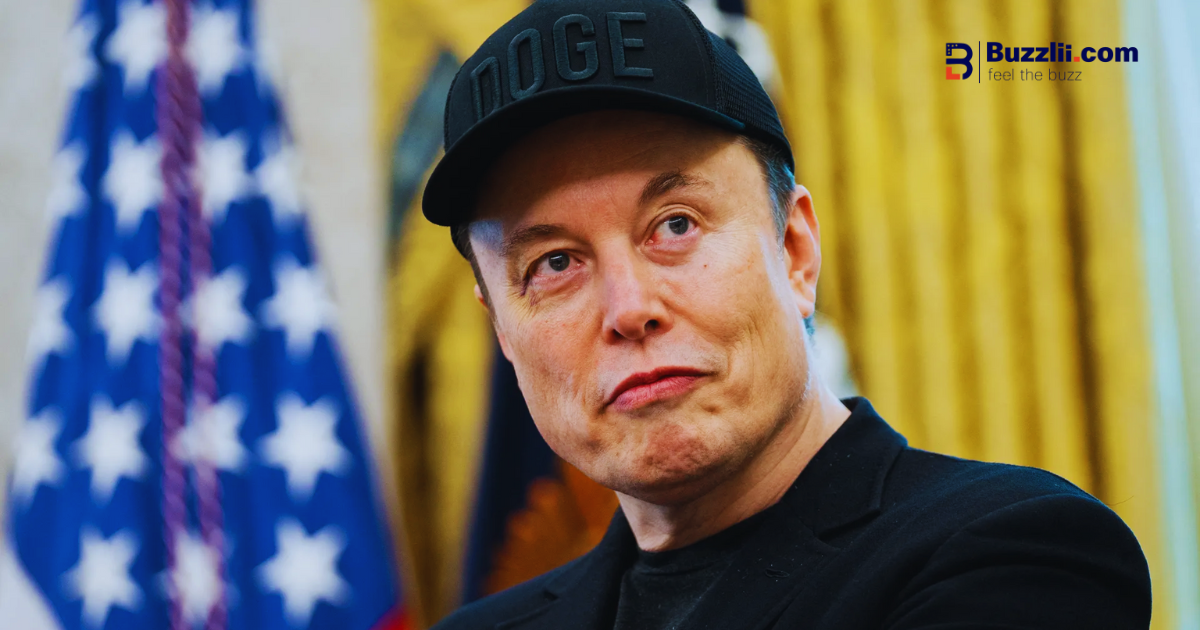
Elon Musk is one of the most well-known corporate figures of the twenty-first century. His rise from South Africa to global prominence as a leader of firms at the crossroads of technology, transportation, energy, and space has received widespread media attention. His expertise encompasses a variety of businesses that influence everyday life, including electric automobiles and satellite communications.
The narrative of Elon Musk is relevant today because the firms he heads influence how people travel, interact, and think about the future of technology. His career mirrors broader trends in innovation, private-sector space exploration, and the growing importance of technology entrepreneurs in global discourse.
This article delves into Musk’s early life, education, major commercial initiatives, and long-term effect, providing a factual and unbiased look at how he rose to become one of the world’s most powerful technological leaders.
Early Life in South Africa
Elon Reeve Musk was born June 28, 1971, in Pretoria, South Africa. He spent his childhood there, developing an early interest in computers and engineering. In his early teens, he was teaching himself programming and dabbling with software creation.
Musk produced and sold a primitive video game when he was 12, indicating an early interest in technology. While growing up, he developed a keen interest in science fiction, physics, and engineering, which inspired many of his business goals.
Musk left South Africa in his late teens in search of better chances. He migrated to Canada in 1989, which enabled him to eventually go to the United States.
Education and Move to the United States
After moving to Canada, Musk attended Queen’s University in Ontario before transferring to the University of Pennsylvania. He has undergraduate degrees in physics and economics. This academic mix would subsequently define his approach to business, which combined scientific thought with commercial strategy.
Musk briefly enrolled in a PhD program at Stanford University but departed after a short period of time. The decision coincided with the fast rise of the internet economy in the mid-1990s, which created new prospects for technological firms.
His foray into business marked the start of a career characterized by high-risk endeavors and lofty aspirations.
First Startups: Zip2 and PayPal
Musk’s first major business success was Zip2, a software startup that created online business directories and maps for newspapers. The company was subsequently acquired, and Musk received his first big cash return.
He later created X.com, which provides online financial services. X.com combined with another company to form PayPal, which focuses on digital payments. When PayPal was acquired by eBay in the early 2000s, Musk became one of the company’s top individual stockholders.
The sale provided him with the necessary funds to pursue more sophisticated and capital-intensive businesses.
Building Tesla and SpaceX
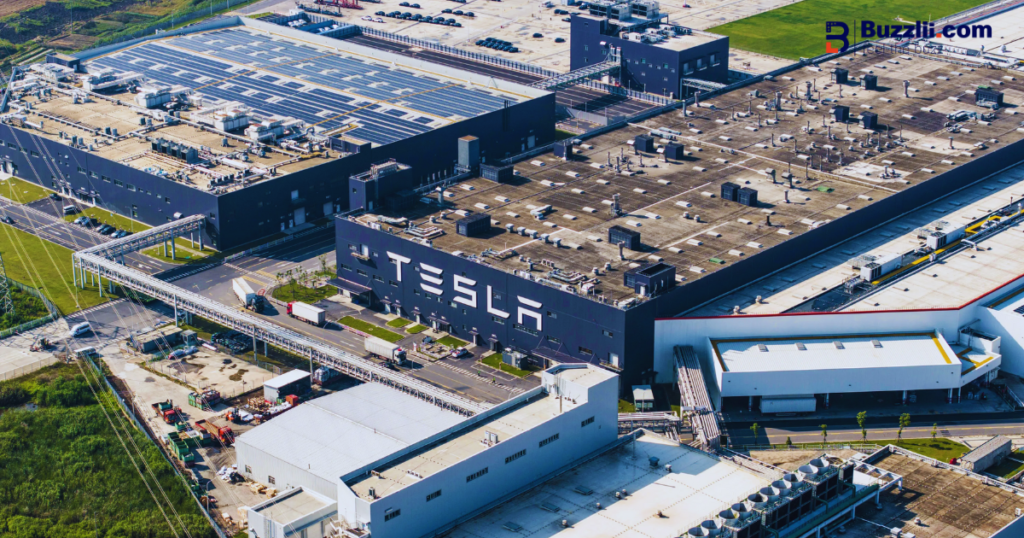
Following the PayPal takeover, Musk made significant investments in Tesla and SpaceX, which would define his public reputation.
Tesla accelerated the global adoption of electric vehicles by merging battery technology, software, and vehicle design. Under Musk’s leadership, Tesla increased its product line and manufacturing capability, becoming one of the most well-known names in the automobile business.
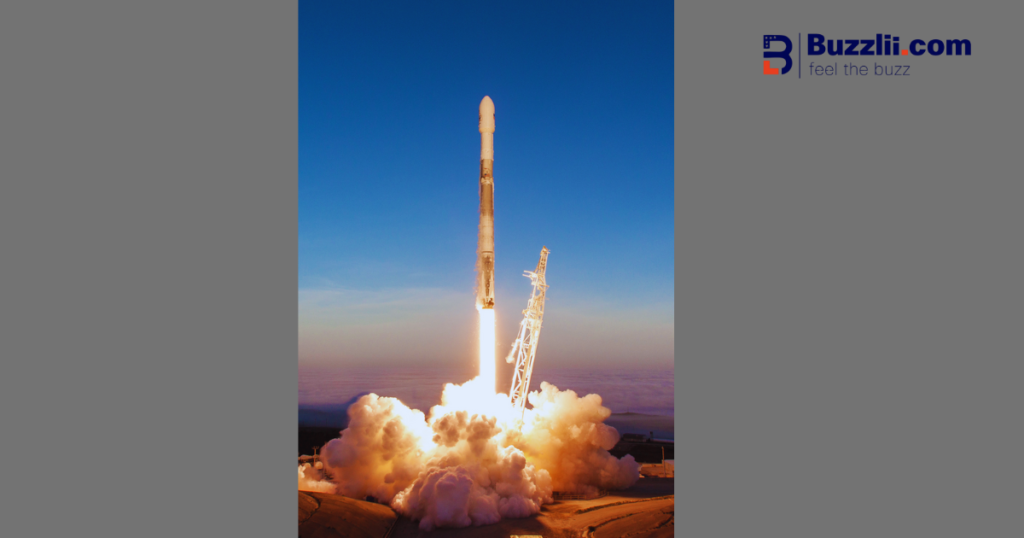
SpaceX was founded to reduce the cost of space travel. The company achieved significant industry breakthroughs, such as the construction of reusable rockets and frequent low-Earth orbit launches. SpaceX also became a crucial collaborator on government and commercial space operations.
Both enterprises demonstrated Musk’s commitment to long-term technological problems over short-term gains.
Expanding Influence Across Industries
Aside from Tesla and SpaceX, Musk has been involved in a number of other projects. These include Neuralink, which conducts brain-computer interface research, and The Boring Company, which develops tunnel-based transportation infrastructure.
He also acquired the social media platform X, which was formerly known as Twitter. Musk’s acquisition sparked concerns about online communication, content management, and the role of social networks in public discourse.
Musk’s influence went beyond engineering and production to include media, infrastructure, and developing technologies.
Public Profile and Leadership Style
"For the 1st time in the four & a half billion year history of Earth, it is possible to extend consciousness beyond our home planet
— DogeDesigner (@cb_doge) December 25, 2025
"The window might be open for a short time. I wish to make sure that we extend the light of consciousness to Mars before civilization extinguishes" pic.twitter.com/dFgVz0Pucj
Musk’s leadership style is frequently characterized as hands-on and demanding. He is recognized for establishing ambitious deadlines and remaining closely involved in product development and technical choices.
His public presence, particularly on social media, has sparked enormous curiosity and investigation. While perspectives on his communication approach differ, there is little doubt about the attention he devotes to the firms he oversees.
This prominence has kept technical issues like electric transportation, space exploration, and artificial intelligence in the public eye.
Key Insights and Takeaways
- Elon Musk’s career exemplifies numerous important aspects in modern technology and business:
- Early technological interest can convert into long-term creativity when accompanied with education and opportunity.
- Private enterprises now play a significant role in industries that were formerly dominated by governments.
- Long-term vision and risk-taking are fundamental to significant technical achievements.
- Leadership presence can dramatically impact the public view of emerging technology.
- For readers, Musk’s journey demonstrates how technology-driven entrepreneurship can influence global sectors.
Conclusion
In my Views, Elon Musk’s development from a teenage technology enthusiast in South Africa to a worldwide powerful corporate leader exemplifies the evolving nature of innovation in the modern era. Through corporations in transportation, energy, space, and communication, he has helped redefine what private enterprise can accomplish.
While his leadership style and public presence are frequently debated, the technological effect of his companies is largely acknowledged. His career demonstrates how desire, technical expertise, and perseverance can develop sectors that have a global impact on people’s daily lives.
Frequently Asked Questions
To Read More : Ben Sasse Says “I’m Going to Die” After Advanced Cancer Diagnosis