Introduction
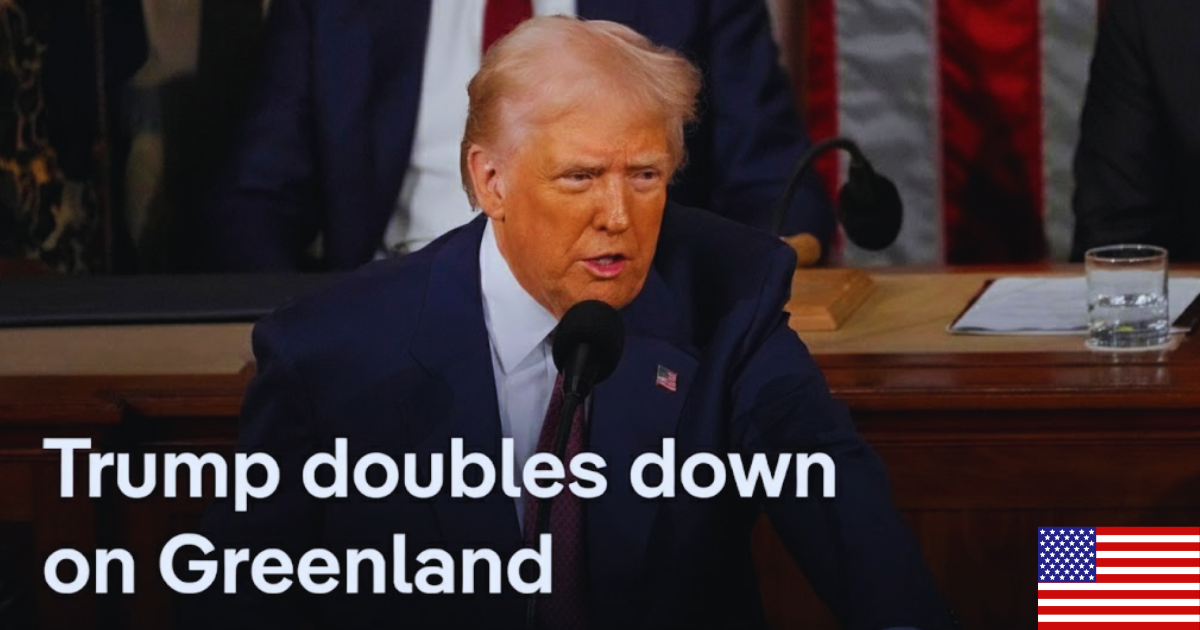
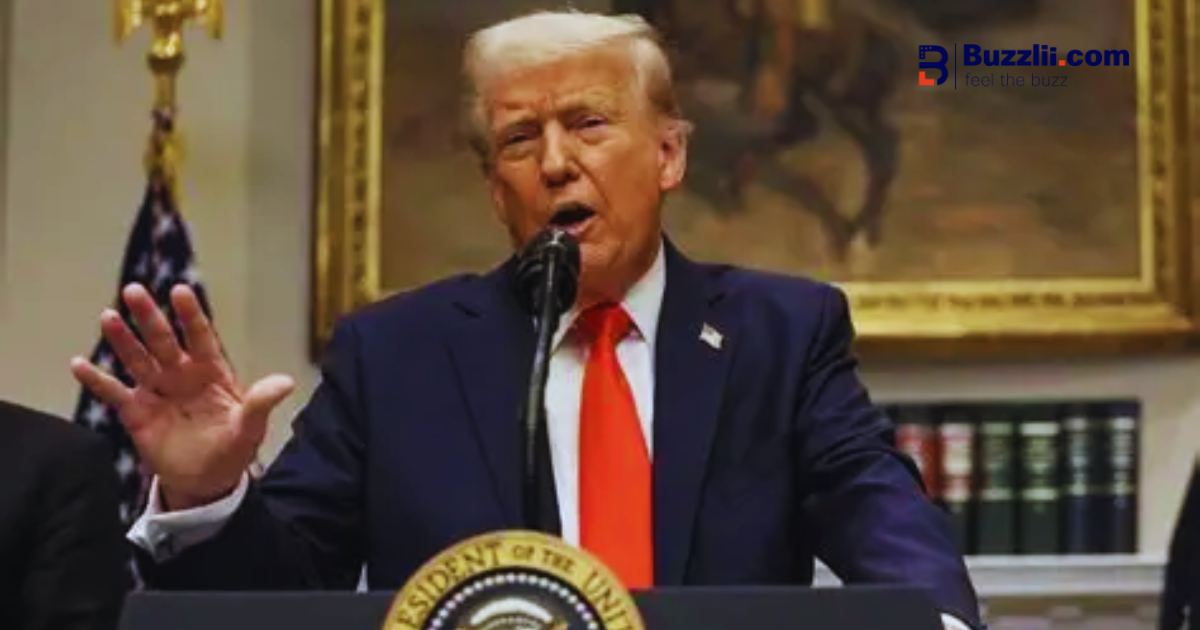
Trump economy speech at the White House centered on defending economic conditions and responding to criticism over rising costs.
Donald Trump recently addressed the U.S. economy in a speech from the White House, portraying it as essentially robust while shifting blame for persistent difficulties to political adversaries and former governments. The speech was given at a time when many households in the US and other developed economies are still very concerned about economic problems like inflation, the cost of living, and wage growth.
Trump’s political identity has traditionally been heavily influenced by economic rhetoric. In response to criticism from opponents and the media, the speech sought to bolster confidence among supporters by stressing positive indications and refuting unfavorable impressions. Understanding the content and tone of this speech makes it easier for readers in general to see how economic narratives are being constructed in the divisive political climate of today.
This article looks at the speech’s main points, the larger economic background, and the reasons why Trump’s strategy of blaming and defending the economy is still popular in public discourse.
Trump’s Economic Speech : Key Message from the White House
Stressing Economic Power
Donald Trump used the creation of jobs, commercial activity, and general growth as proof that the U.S. economy is still strong during the speech. He used these metrics as evidence that his economic strategy produced observable outcomes and established a solid basis for the nation.
Trump suggested that short-term difficulties do not compromise what he called fundamental economic strength, emphasizing that official economic data should be considered in conjunction with long-term trends. This framing is consistent with previous remarks in which he emphasized growth indicators to allay worries about household costs and inflation.
Resolving Public Issues
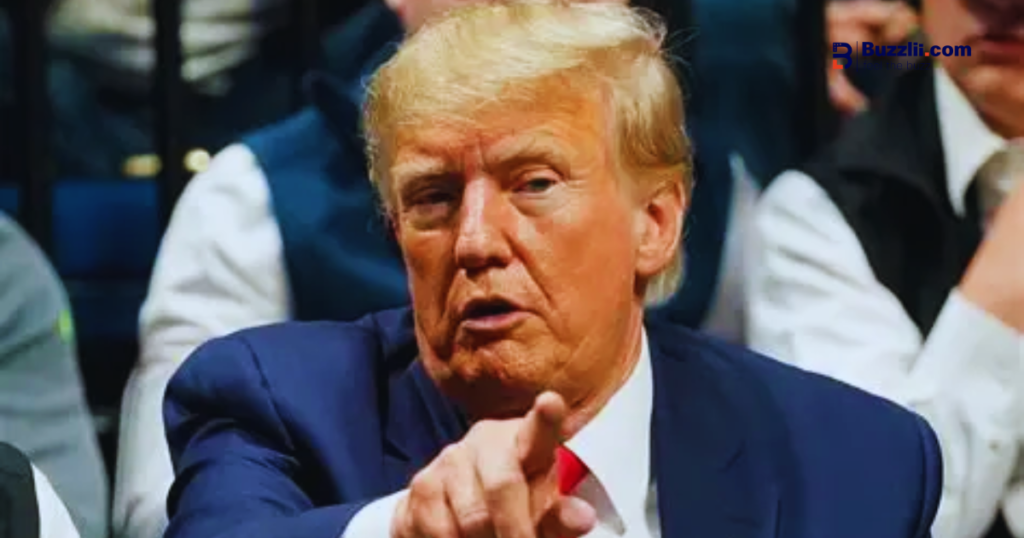
Trump recognized that many Americans are under financial strain while defending the economy. But rather than coming from the fundamental economic path he favored, he proposed that these pressures are the result of other people’s policy choices. Rising costs and difficulties with affordability were portrayed as the result of outside influences rather than indicators of a weak economy.
With this strategy, Trump was able to acknowledge the dissatisfaction of voters without taking direct blame for the financial hardship that customers were going through.
Placing the Blame on Political Opponents
Criticism of Previous Policies
The speech spent a large amount of time blaming economic difficulties on measures implemented by rival political figures or former administrations. Trump claimed that choices over government spending, regulations, and energy policy increased market uncertainty and inflationary pressures.
He presented himself as a corrective force rather than a contributor to current issues by going back to previous policy discussions. This story supports a more general claim that if leadership and policy priorities shift, economic failures can be reversed.
Focusing on Critics and Institutions
Additionally, Trump attacked government agencies and media outlets for what he said was an unfair or deceptive depiction of the state of the economy. According to him, unfavorable economic media frequently amplifies concerns while ignoring positive statistics.
This rhetoric, which frames economic analysis as a political battleground rather than a strictly intellectual exercise, represents a long-standing conflict between Trump and conventional information gatekeepers.
The Wider Economic Framework
Conflicting Economic Signals
The U.S. economy was giving conflicting signals at the time of the speech. While inflation and interest rates continued to have an impact on consumer expenditure, employment levels remained comparatively high. The question of whether the economy should be characterized as robust, stable, or stressed has been sparked by these disparate data.
Trump’s speech minimized or misinterpreted negative indicators while selectively highlighting good ones. Political communication frequently employs this selective focus, particularly when economic perspectives vary greatly between areas and socioeconomic groups.
The Significance of Economic Narratives
Voter attitudes, investment choices, and consumer behavior are frequently influenced by public confidence in the economy. Trump sought to sway public opinion as much as policy debate by claiming that the economy is robust. Even when the underlying data is complicated or disputed, economic tales can be effective tools.
The Speech’s Political Strategy
Addressing a Core Audience
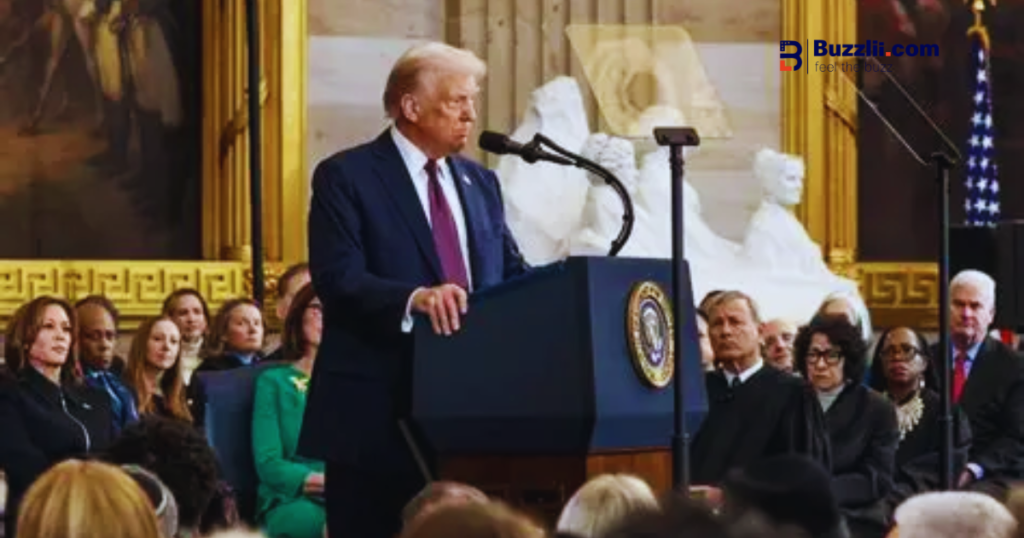
The speech appeared to be largely aimed at Trump’s loyal supporters based on its tone and format. The focus on allegiance, holding opponents accountable, and mistrust of institutions is congruent with ideas that have continuously inspired his supporters.
The speech strengthened alignment among supporters while retaining substantial differences from critics by reinforcing preexisting beliefs rather than trying to overcome political divides.
The Trump economy speech highlighted how the administration viewed economic growth and public confidence.
Minimal Attention to Policy Specifics
The speech mostly focused on economic issues, however there were few specific policy recommendations. Rather, the speech relied on generalizations about economic responsibility and direction. With this strategy, Trump was able to remain adaptable and put the emphasis on messaging rather than in-depth policy discussions.
Important Findings and Useful Takeaways
The Trump economy speech highlighted how the administration viewed economic growth and public confidence.
Donald Trump acknowledged the public’s dissatisfaction with costs and pricing while framing the U.S. economy as essentially robust.
Economic difficulties were mostly attributed to outside forces, previous policies, and political rivals.
The speech was less concerned with specific policy answers and more with story and perception.
Trump’s political communication strategy still heavily relies on economic rhetoric.
Political framing frequently influences how the public interprets economic realities just as much as economic statistics.
The speech emphasizes to readers how viewpoint, emphasis, and accountability—rather than just numbers—shape economic conversations in politics.
Conclusion
Overall, the Trump economy speech reflected a broader political strategy centered on economic messaging.
In my Views. A well-known but powerful method of economic communication was presented in Donald Trump’s White House speech. He strengthened a narrative that has shaped much of his political career by defending the economy and assigning blame for its problems. Rather than offering specific legislative solutions, the speech concentrated on perception, accountability, and confidence.
Source : According to reports from major U.S. media outlets such as USA Today, the speech focused heavily on economic messaging.
Frequently Asked Questions
You can also read our analysis on U.S. political developments for more context.: Susie Wiles